



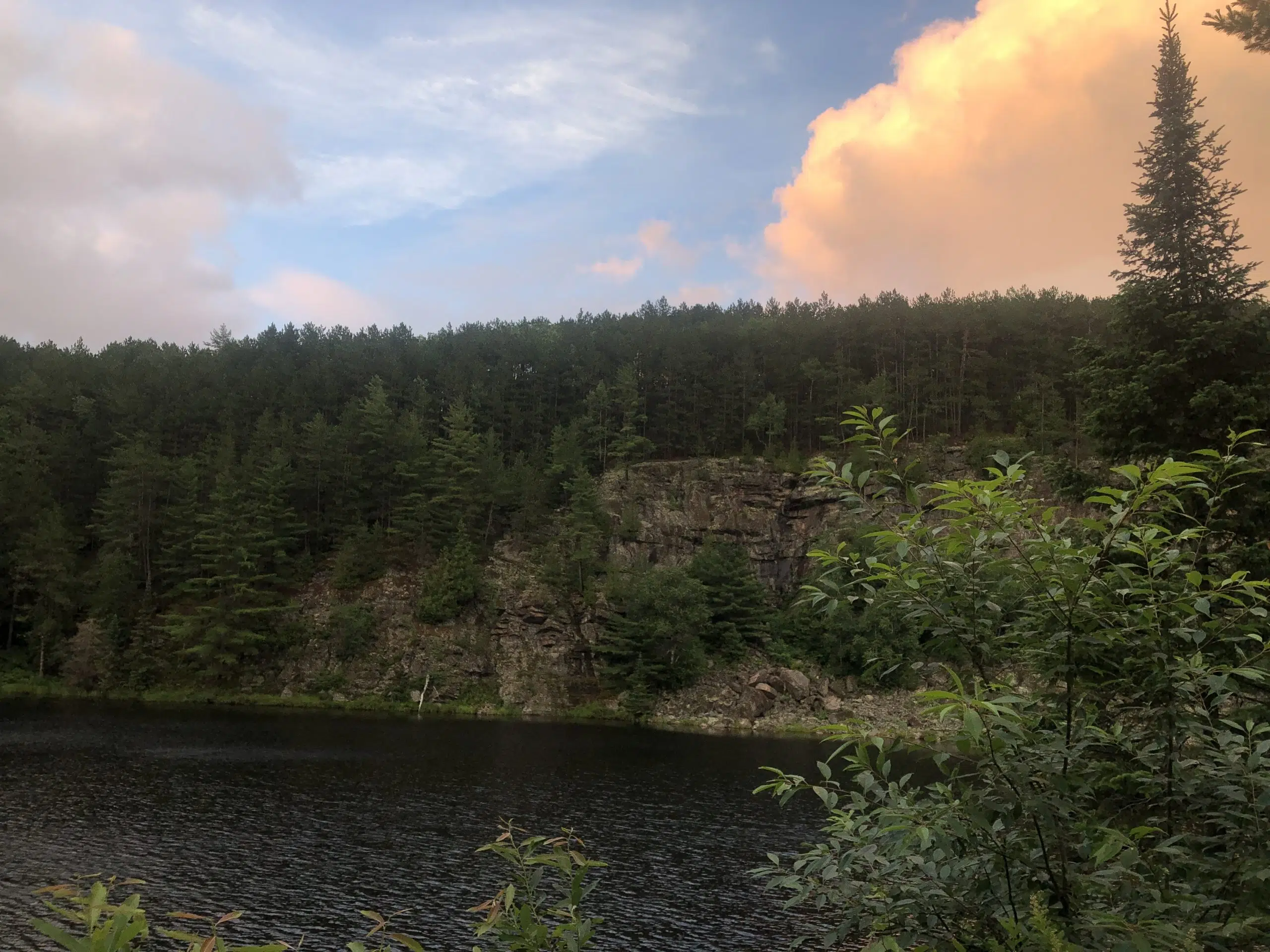
In experiencing the great out doors, there’s a choice to make it relaxing or a challenge.
To relax with nature aligns more so with the ‘glamping’ style of camping. Perhaps a trailer is set up, a chair or two, and a speakers are set up to listen to music while cooking steak over an open fire.
Glamping is possibly one of the more common ways to camp as people are looking to wind down for rigerous daily activities, and in doing so, the equipment needed is different.
Instead of worrying about how much equipment to carry, it can be all left at the campsite. Camping gear store manager Lisa Rafftis of Hiker’s Haven focuses on the specifics of each camper to cater to their level of expertise and adventure.
“We usually ask them a lot of questions in terms of where they’re going, how long they’re going for, what their experience is, what they own already. And how rough they’re going to be, if they’re sort of backpacking, ultralight, or glamping, as you say, and a lot of people can rent stuff, we rent camping equipment, so people are new, they don’t actually have to buy everything, they can actually rent a bunch of stuff as well.”
Although the definition of what glamping is can be open to interpretation, Rafftis lists the differences in the camping style. “Camping is when you actually have to bring all your stuff with you tents, sleeping bags, all your clothes, food, water filter, stove. Glamping is usually a tent structure that’s set up in the woods that has so that the tent is there, and then the sleeping bags, sleeping pads, all that stuff so you’re in the woods, but you don’t have to carry it all in and learn how to filter your water and use a stove.”
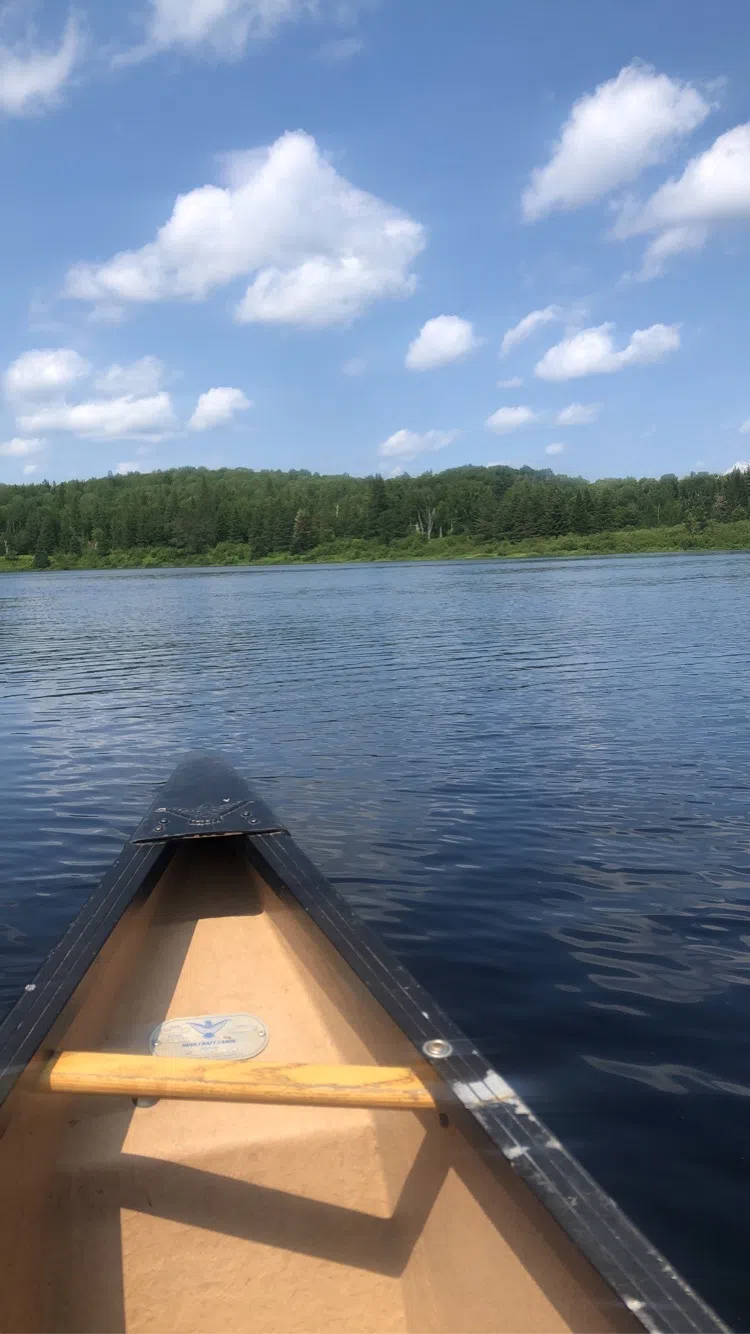
To challenge himself, Jean Amsden trained for months for backwoods camping that involved hiking and portaging over 15km a day for a week.
“With glamping, we’ve done it a couple of times, and it’s incredibly enjoyable, and it’s very, very relaxing. Just driving with a trailer, you got couple extra supplies,” shares Amsden. “But when you’re going backwoods camping, you have to be really conscious about how much weight there is in your backpack, because you’re gonna be carrying it over multiple portages, you’re gonna be lifting in the canoe multiple times a day. So the idea is to minimize weight as much as possible to make the travel as quick and easy as possible.”
Jess Gould / XFM News
A crucial step with backwoods camping is to plan accordingly for what equipment and food to bring, as everything will be carried along for the jouney.
“There’s a lot of planning of figuring out what do we think is the bare minimum that we need to survive for a little more than a week in Algonquin Park. If I was going standard camping or driving to a site, I’d bring a number of clothes, lots of toiletries, lots of wet food as well. Like meats or canned soup are really delicious, but at the same time, they have a lot of water weight.”
The freedom to backwoods camping came with the price of minimalism to survive.
“We tried to minimize everything going into the camp. Lots of dry foods and stuff that’s easy to pack away. There is also a limited amount of clothing to bring, very limited toiletry bag, one set of pots and pans with one piece of cutlery for each meal to minimize as much as possible.”
However, Amsden’s advice is to leave the relaxing world of glamping at least once to discover the new expereince of nature and inner strength through backwoods camping.
“It’s a very challenging thing to do to go deep into a park, lots of portaging, doing lots of canoeing, but at the same time, it’s very rewarding. I’d recommend backwards camping at least once. It’s just really quite beautiful knowing that there’s no road and it’s like an untouched pristine wilderness. It’s partly spiritual as well on top of just knowing that this is what nature has looked like essentially for millions and millions of years. I’d say that’s probably one of the the advantages of backwoods camping versus if you would have a standard drive to a campsite.”


