



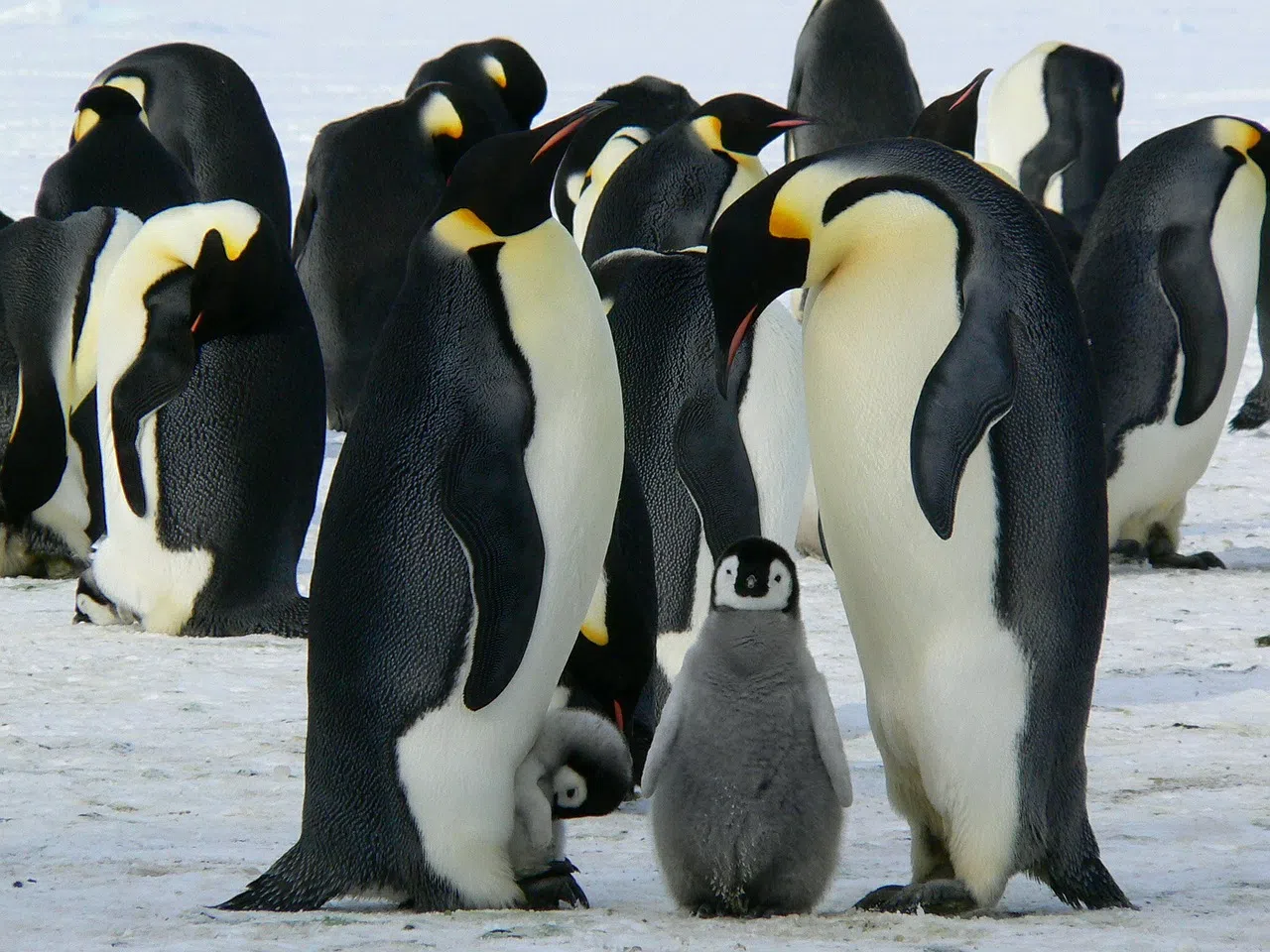
credit : memorycatcher/pixabay
Biologists say climate change is affecting sea ice for penguins. Emperor penguins need the sea ice to provide krill in their diet.
A new study estimates that by 2100, the majority of emperor penguin colonies will be cut in half if temperatures rise at the predicted rate. The study’s lead author is biologist Stephanie Jenouvrier. She says listing emperor penguins as a threatened species is an important step.
“An endangered classification can act as an iconic example of a new global conservation paradigm for species threatened by future climate change.”
Penguins mainly live in the Southern Hemisphere along the coasts of Africa, South America, Australia and New Zealand. They will only eat seafood, so they need
to live near water to hunt for food.
On Penguin Awareness Day, we celebrate the enchanting waddling inhabitants of Antarctica. The White Continent is brimming with a wide variety of penguin species. From the charismatic gentoo and chinstrap penguins to the emblematic emperor. pic.twitter.com/fpQM3TJf7w
— EYOS Expeditions (@EYOSExpeditions) January 20, 2024
“None of the colonies, even the southern-most locations in the Ross Sea, will provide a viable refuge by the end of 21st century,” she said.
Biologists say the emperor penguin relies on ice for breeding, and if it loses its suitable breeding habitat it can lead to a population collapse over time.
Most penguins have one mate for life. The female emperor penguin lays a single egg, but it’s the egg’s father who keeps it warm. He covers it with his brood pouch and stands for 65 days until it hatches. In the meantime, the egg’s mother leaves and hunts for food.
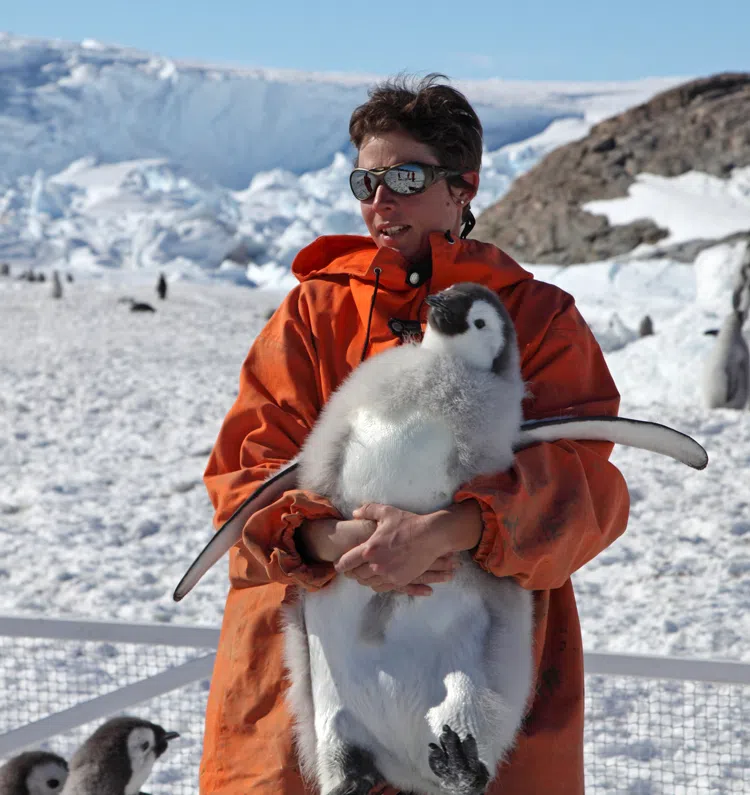
Photo courtesy of Stephanie Jenouvrier
“Emperor penguins, like many species on earth, face a very uncertain future, which is dependent on people working together to reduce carbon pollution,” said Jenouvrier.
“We should draw inspiration from the penguins themselves; only together can penguins brave the harshest climate on Earth, and only together can we face a difficult climate future.”


Comments