



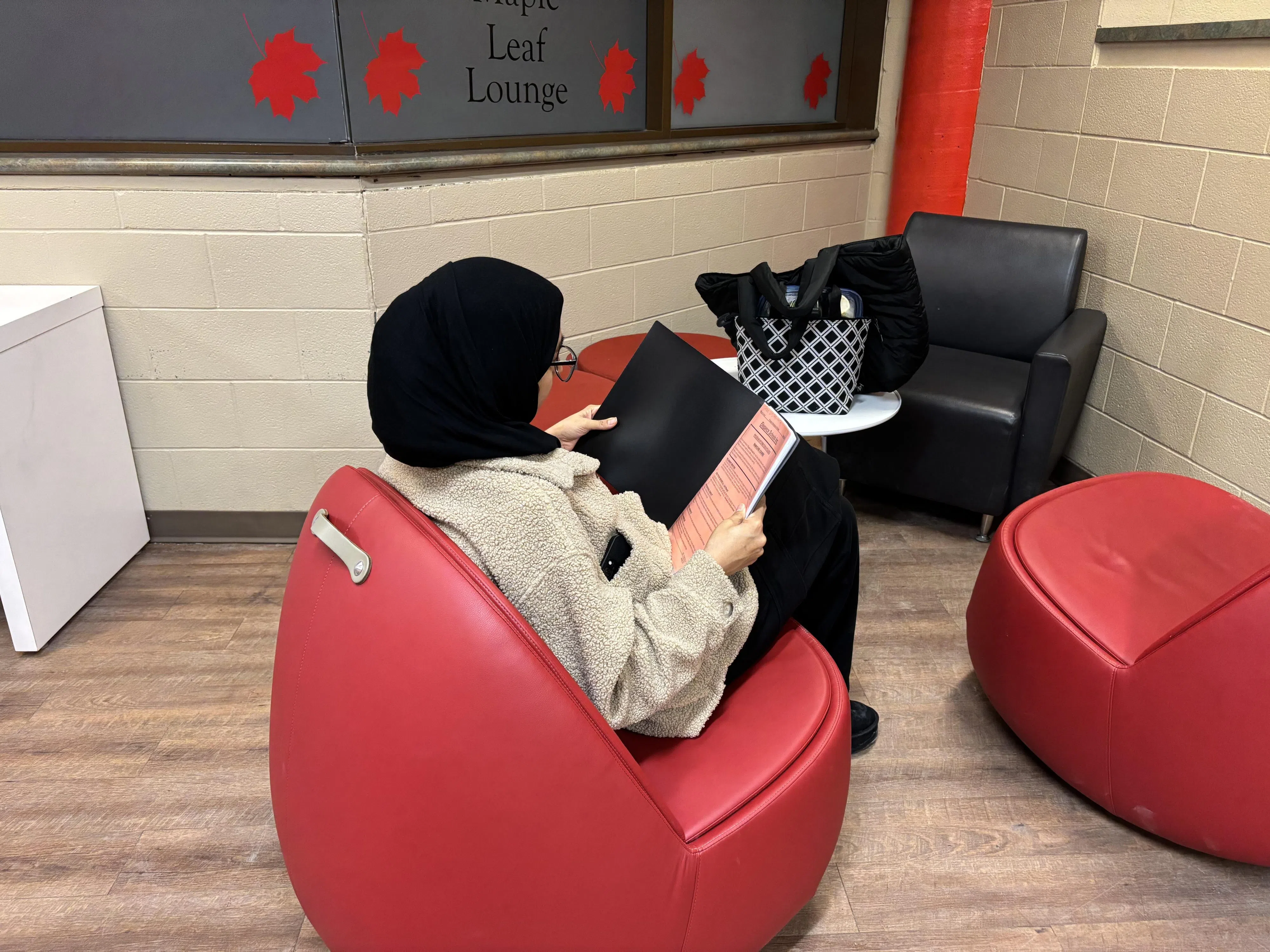
For many Muslim students at Fanshawe College, Ramadan is a time of deep reflection, self-discipline and community. During this month, they abstain from eating, drinking and marital intimacy from dawn until dusk.
This can be challenging for students trying to balance academic responsibilities with religious obligations. Long fasting hours, early mornings, long days in class and specific prayer times present unique challenges.
Masooma, a Muslim student at Fanshawe College, says it’s important to set up a schedule and make necessary adjustments.
“I plan my schedule so that I have time for suhoor (pre-dawn meal) and prayers before classes, and I usually study after when I break my fast,” she said. Many students find studying easier after they break their fast and have a full stomach.
“The biggest struggle I face is balancing fasting with studying, especially the lack of sleep,” she said, adding that she wakes up early for breakfast and stays awake later to pray.
Getting proper rest, staying hydrated and planning ahead can help ease the struggle. Fanshawe has a designated prayer room that is inclusive for all students, including Muslims, but certain prayer times may present challenges.
“A few things help,” she added. “I take short power naps between m y classes or after iftar when I break my fast to make up for lost sleep, and I drink plenty of water.”
Muslim students may need accommodations, such as leaving class temporarily to pray or breaking their fast if classes run late. As the month continues, students say understanding and flexibility from peers and faculty can make a difference. Recognizing different religious beliefs and practices can help create a more inclusive space for everyone on campus.


Comments