



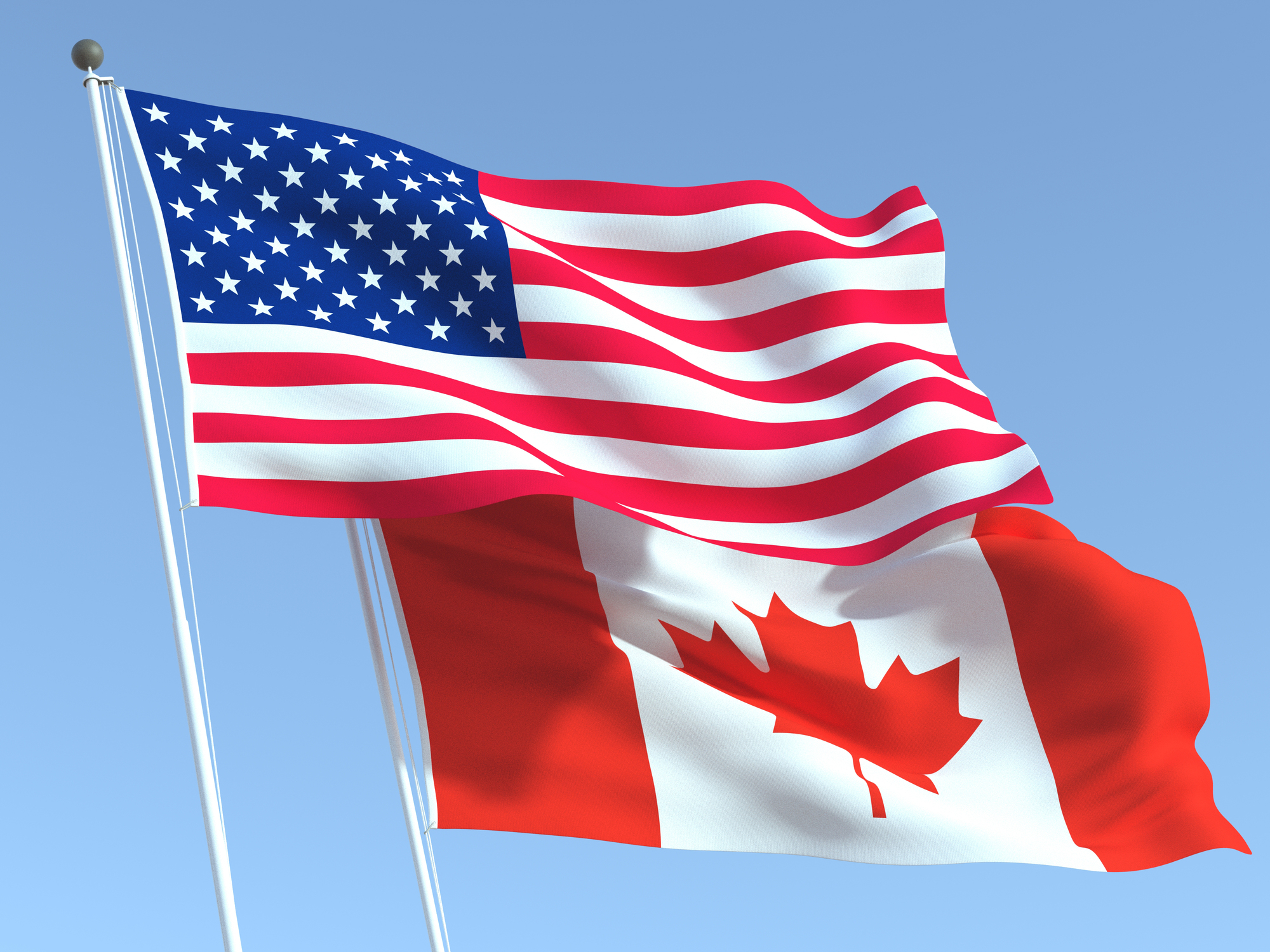
Conflicting messages from Washington and Ottawa are raising questions about the state of Canada-U.S. trade talks, with U.S. President Donald Trump suggesting a deal is near while Canadian officials say little progress has been made.
Prime Minister Mark Carney has acknowledged that trade talks with the U.S. have become more intense. American officials have suggested a deal could be possible before the U.S. midterm elections.
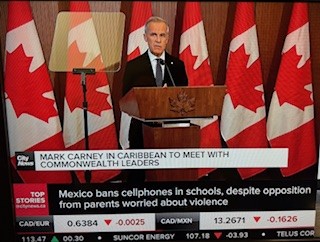
Prime Minister Mark Carney
A Canadian government official with knowledge of the negotiations, who was not authorized to speak publicly, said discussions have continued but that limited progress has been made.
The current dispute began in early 2025 when President Donald Trump imposed tariffs on a range of Canadian goods.
Over time, some tariffs were paused and exemptions were introduced. However, the trade dispute has continued to escalate, affecting steel, automotive, lumber and aluminum industries.
Matt Farrell, a political science professor at Fanshawe College, describes the main obstacle to reaching a trade agreement. “In short, it is the President. If Trump doesn’t like something that Canada is doing, he will add tariffs.”

Photo credit: reuters
Farrell explained that tariffs could potentially be dropped, but only if Canada offers something in return.
To make significant progress or a trade deal, Farrell believes, “it’s just political convenience and optics. If there’s a reason where President Trump wants to make a deal, then he will. That’s it.”
Farrell said any breakthrough may ultimately depend on political priorities in Washington, leaving the timing and outcome of a potential agreement uncertain.


