



With baseball back in full swing, hockey heading into the playoffs and soccer just around the corner, the awareness of concussions are at a peak.
Concussions make up 93% of sports related injuries among athletes. Over the last 10 years concussions management has become a growing concern among doctors and coaches
By: Loyalistphoto Flickr
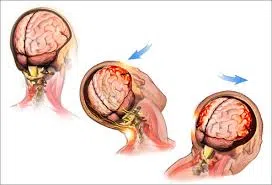
A concussion is a form of traumatic brain injury caused by a hit to the head or body, which causes the brain to move rapidly back and forth, because it has the consistency of jello this sudden movement can cause the brain to bounce around or twist in the skull.
At the beginning of every season varsity athletes take part in baseline testing. Baseline testing is a computerized assessment that measures reaction time, memory capacity, speed of mental processing and executive functioning of the brain.
If an athlete is diagnosed with a concussion they are given the exact same test and the doctor compares the scores from before and after.
Dr. Andrea Lazosky a Neuropsychologist at Victoria Hospital says baseline testing is essential in concussion management, and it will continue to be used as the main type of protocol for sports teams.
Along with the baseline testing, symptom feedback is the other key factor of the diagnosis and recovery stages of a concussion.
Due to the fact that every brain is different, there isn’t a fixed timeline for recovery.
Dr. Lazosky says she treats people like a dynamic system, but it is important to give people an expectation that they should fully recover in 7-10 days.
By Neil Lava WebMD
There is a six step program which is used to rehabilitate the brain in order to get the athlete healthy enough to return to sport.
There is still currently a stigma around concussions, because we cant see the injury itself sometimes it is over looked. If an athlete has a broken arm they are in a cast and you can measure the healing process through x-rays. But with a concussion they could be equally as injured but not have the visible display of what the injury is.
Although they are managing and identifying concussion better there is still room for improvement. Dealing with chronic long term concussions is a lot like a mental health issue
It lacks public awareness and needs to be better embraced in the world of sports.


