



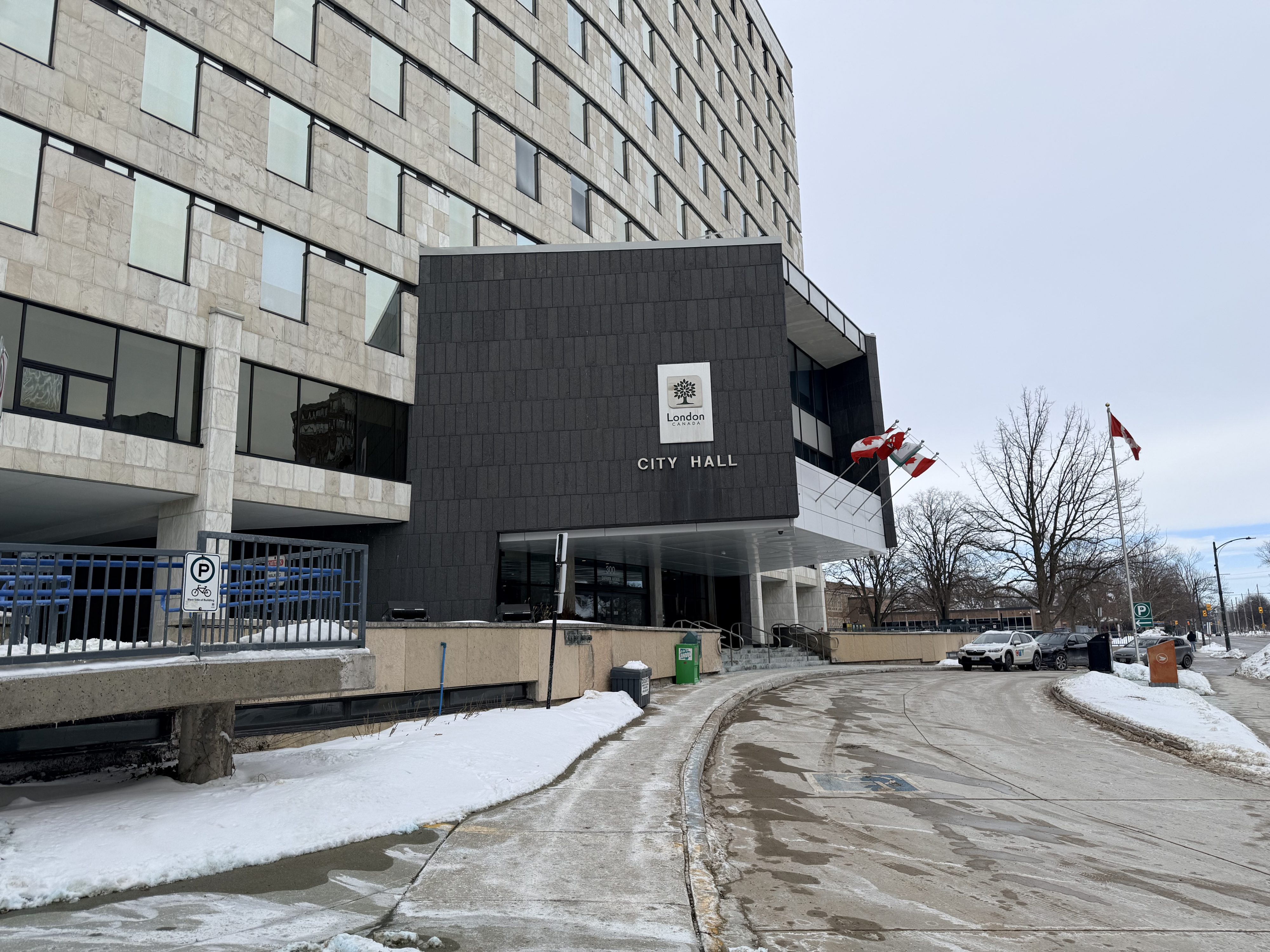
Just over 30 per cent of eligible voters cast a ballot in London’s municipal election, up from 25 per cent turnout in 2022.
A political scientist said the slight jump in voter turnout could be attributed to a tighter mayoral race which ended Tuesday with incumbant Josh Morgan back in the mayor’s seat.
“Primarily, one of the reasons we had more turnout this year is due to more opposition from (Morgan’s closest rival candidate) Susan Stevenson,” said Martin Horak, an associate professor of political science at Western University. “Whenever we have competitive races like that it tends to drive more people to the polls.”
While municipal elections often fly under the radar as candidates talk about similar issues, Stevenson changed things up this year, basing her campaign on different ways to tackle some of the issues that have been a challenge for Morgan.
But even still, 31 per cent does not indicate a high level of engagement.
“Voting tends to be lower at the municipal level, partly because local politics get less media attention,” said Horak.
As London sees continued growth, voter turnout becomes a more prevalent issue. One of the aspects suggested as to bringing a low turnout is echo chambers online, lowering the public’s trust in government operations as a whole.
“The social media atmosphere we have now has a lot of negative and extreme views and tends to push voters away,” said Horak.
“Without the shorthand of political parties that stand one side or the other, it makes it difficult for voters to choose, as far as who stands for what causes.” stated Horak.
Susan Stevenson came second with 26 per cent of vote, holds a platform that frequently contends with Morgan’s.
This recent election has seen 11 incumbents and 4 new ward members.
New ward members include Ben Durham (Ward 3), Tom Cull (Ward 4), Johnathan Sher (Ward 7), and Jason King (Ward 14).
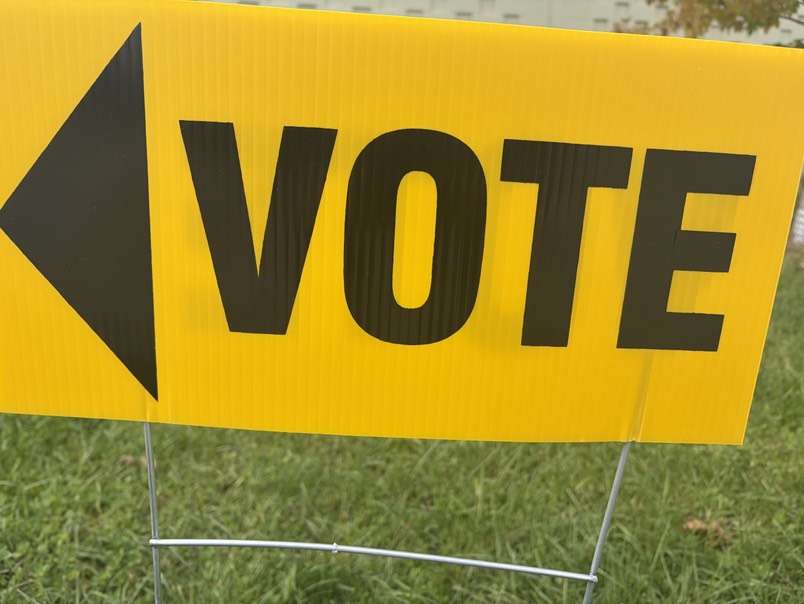
Voting sign outside of Stronach Arena (Credit: Daniel Thuss XFM news)


